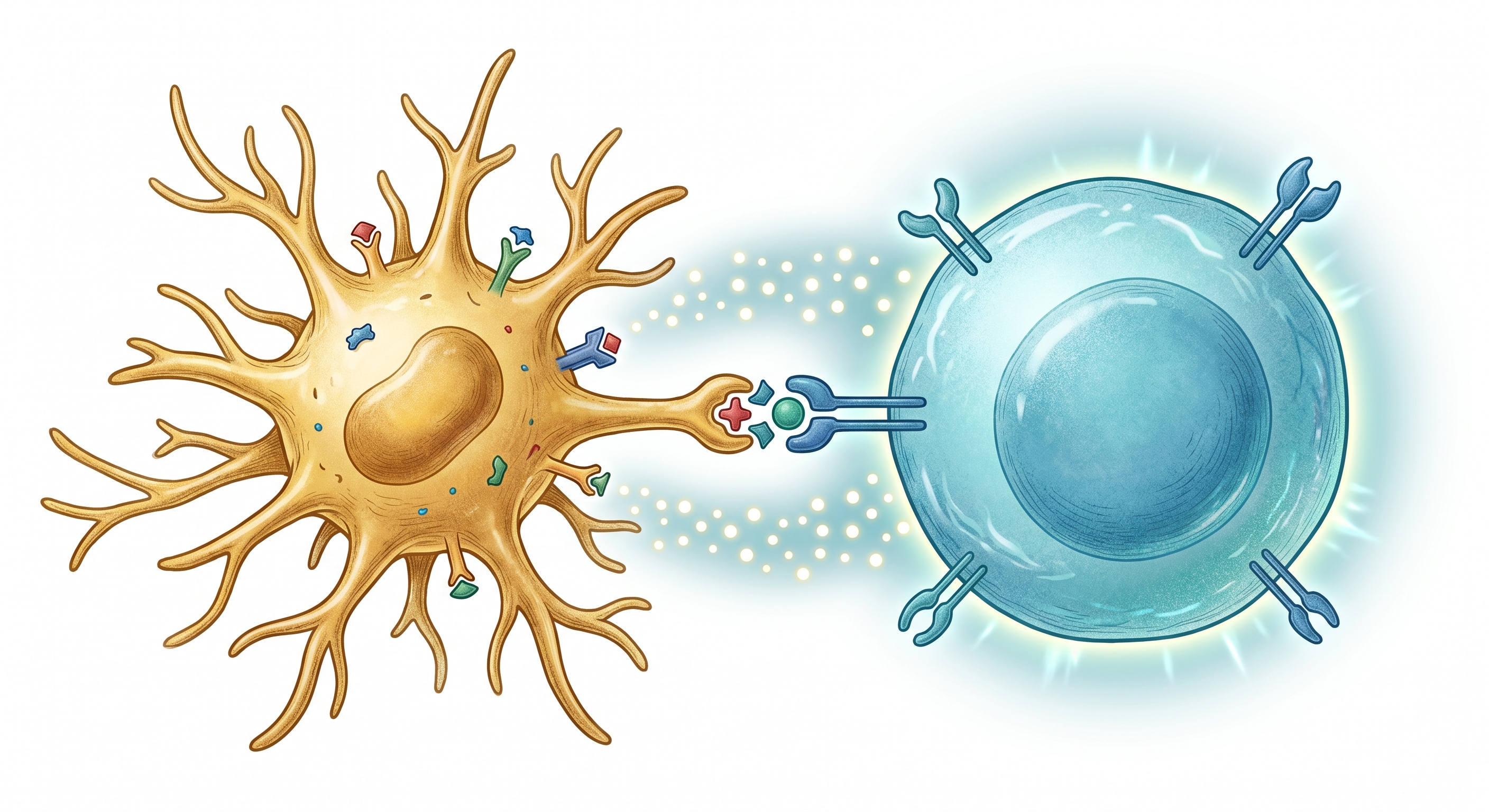
Dendritic cell — the teacher cells of immunity
Immunotherapy · Antigen Presentation

The Teachers of Immunity:
Dendritic Cells
The Foundation of Cancer Vaccines

Professional antigen-presenting cells that recognize tumor antigens and present them to T cells, bridging innate and adaptive immunity.

Explore the Antigen Presentation Theatre
Scroll
Discover

What Are Dendritic Cells?

Dendritic cells (DCs) are the immune system's professional antigen-presenting cells. They capture, process, and present tumor and pathogen antigens to T cells via MHC molecules, initiating a personalized, targeted immune response. They are the most critical cell type bridging innate and adaptive immunity.

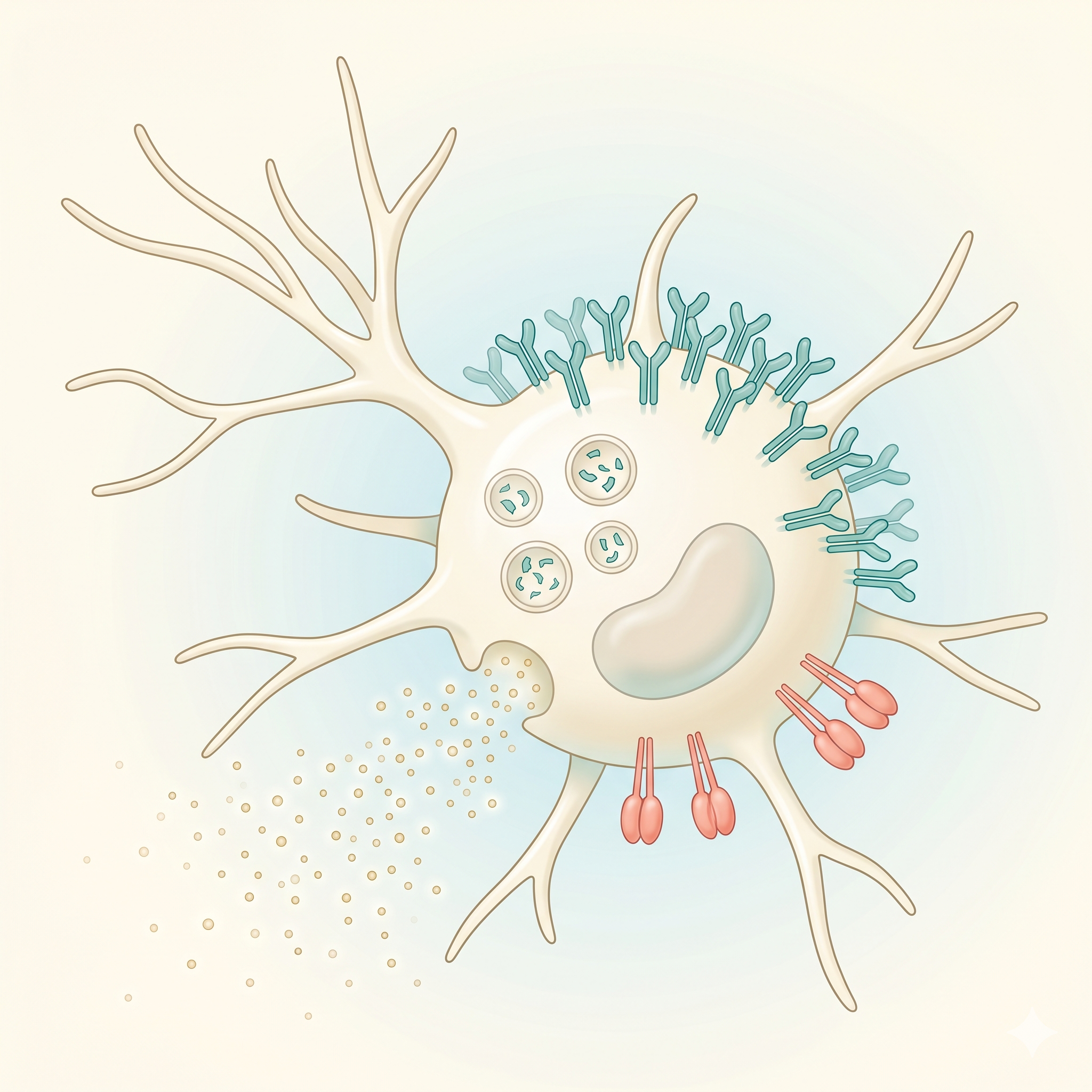
Dendritic cell architecture — dendrites, MHC-II, costimulators, and phagocytic vesicles

Explore the Architecture

Click the numbered hotspots on the left to examine the molecular toolkit of a dendritic cell.

01

Dendrites

Star-shaped cytoplasmic projections

The long, branching cytoplasmic extensions that give the cell its characteristic shape. They dramatically increase surface area, maximizing antigen capture efficiency. A single DC can interact with thousands of T cells simultaneously.

~10x larger surface area than a spherical cell
02

MHC-II Molecules

HLA-DR, HLA-DP, HLA-DQ

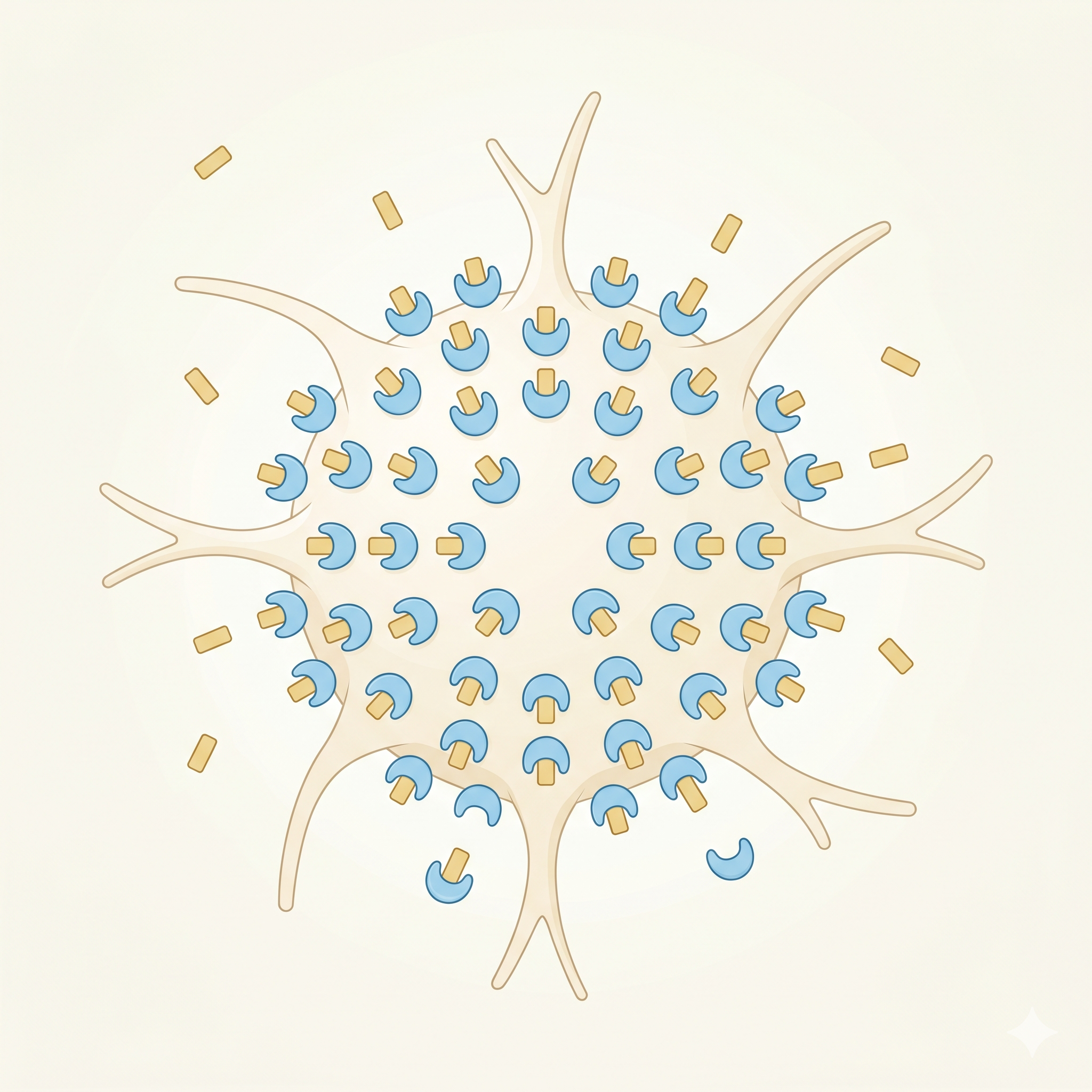
Major histocompatibility complex class II molecules that present processed antigen peptides to CD4+ T cells. Surface expression increases 10-100 fold upon DC maturation — a hallmark of antigen presentation capacity.

10⁶+ surface MHC-II molecules per mature DC
03

Costimulatory Molecules

CD80 (B7-1), CD86 (B7-2), CD40

The "second signal" molecules required for T cell activation. Without them, T cells become anergic (unresponsive). DCs' ability to upregulate these molecules at high levels is the critical feature that distinguishes them from other antigen- presenting cells.

CD28 the costimulator receptor partner on T cells
04

Cytokine Secretion

IL-12, IL-6, IFN-α, TNF-α

The DCs' "third signal" — cytokines secreted by DCs determine the differentiation fate of T cells. IL-12 drives Th1 (anti-tumor) responses; IL-4 drives Th2 (humoral) responses. The anti-tumor cytokine profile of mature DCs is the molecular basis of cancer immunotherapy.

IL-12 strongest known Th1 / cytotoxic T cell inducer
05

Phagocytic Vesicles

Endosome & phagolysosome

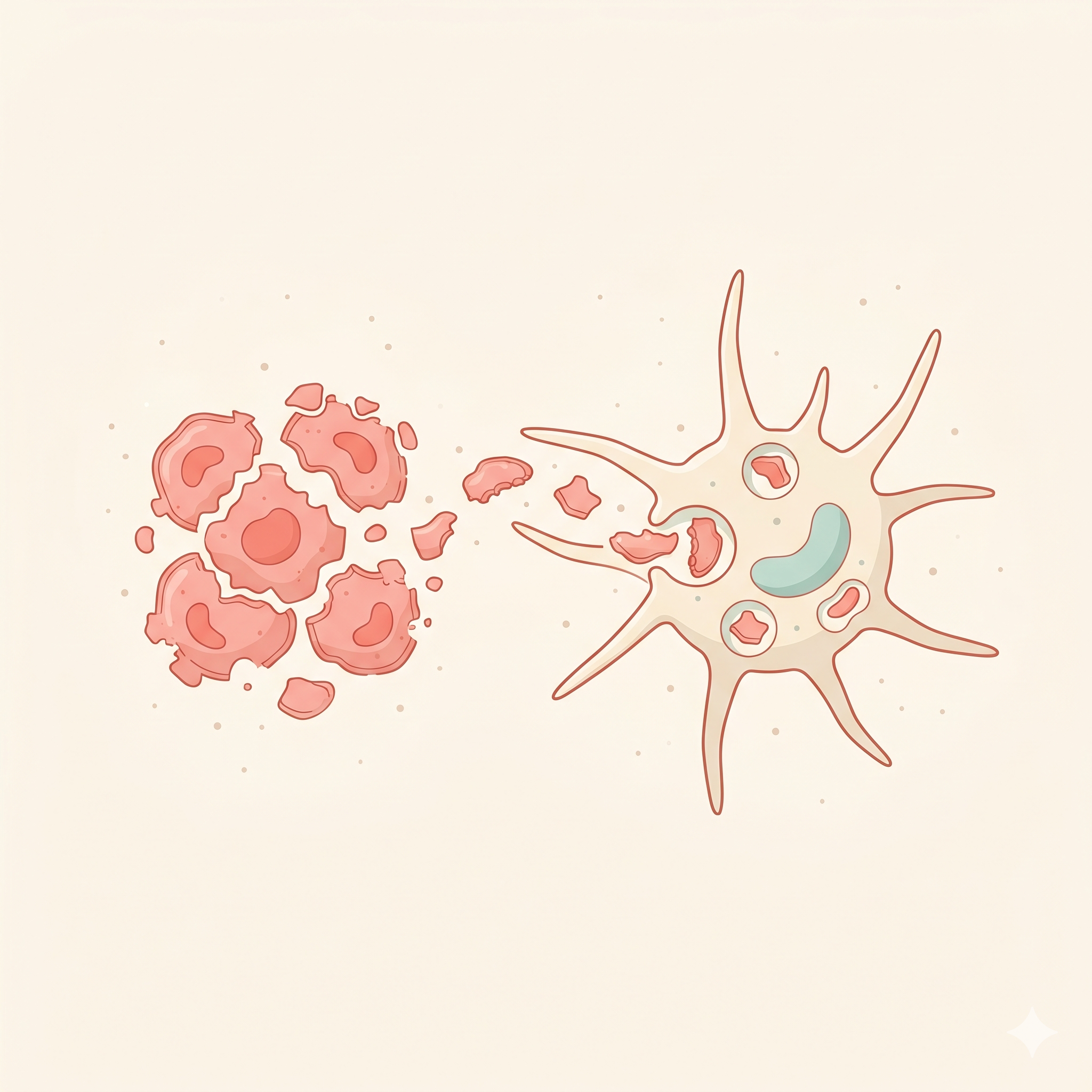
DCs capture extracellular antigens via macropinocytosis, phagocytosis, and receptor-mediated endocytosis. Within these vesicles, antigens are broken down into peptide fragments and loaded onto MHC molecules. DCs' cross-presentation capability allows them to display extracellular antigens on MHC-I to CD8+ T cells — critical for anti-tumor immunity.

~24h from antigen loading to mature presentation

DC-EXCLUSIVE · SIGNATURE

Antigen Presentation Theatre

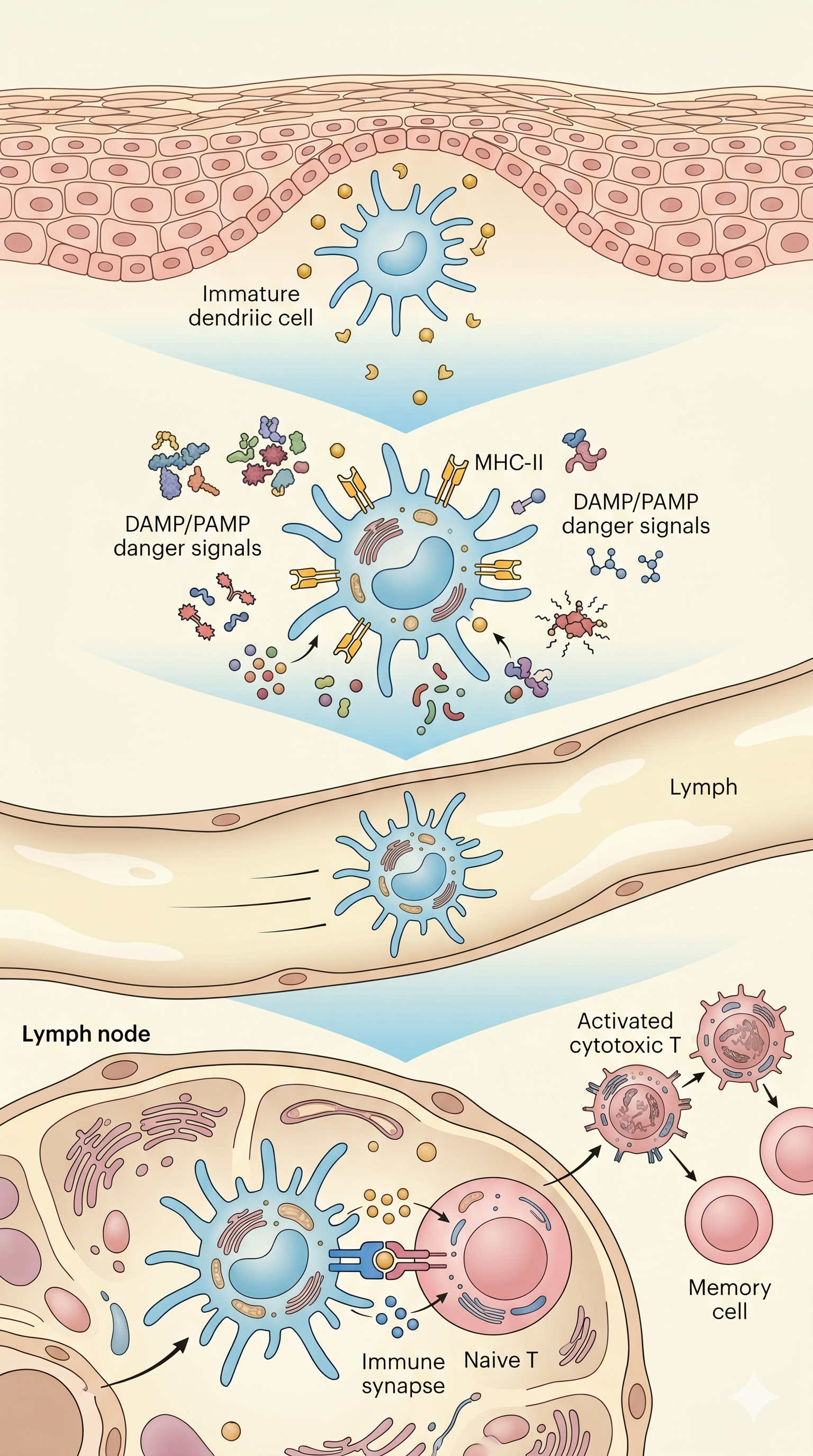
The 4-act story of how dendritic cells bridge innate and adaptive immunity. In each scene, the DC dons a different molecular costume and lays the foundation of an anti-tumor response. Click on a scene to explore the details.

Scene 01 · Patrol

Sentinel: The Tissue Watcher

A silent guard, walking the depths of every tissue.

Immature dendritic cells reside in every tissue, from skin to gut. Their task is simple: continuously survey the environment and sample anything suspicious. At this stage they are not yet "teachers" — just watchers.

Mannose Receptor DC-SIGN CD11c Langerin
Scene 02 · Maturation

Danger Detected

The cell is completely reprogrammed.

A tumor cell breaks open or a pathogen signal (DAMP, PAMP) is released. The DC senses this through its Toll-like receptors and begins to transform within minutes. MHC-II and costimulator molecules increase 10-100 fold, phagocytic capacity drops. It is no longer an antigen catcher — it is now an antigen-presenting machine.

TLR-3 / TLR-4 MHC-II ↑↑ CD80 / CD86 ↑ CD40 ↑ NF-κB
Scene 03 · Migration

Journey to the Lymph Node

It sets out to deliver the message to millions of T cells.

The maturing DC carries the chemokine receptor CCR7 to its surface and slips into the lymphatic vessels. It reaches the nearest lymph node within roughly 6 to 24 hours. This is the paracortex, where thousands of naive T cells gather — the stage where anti-tumor training will take place.

CCR7 CCL19 / CCL21 S1P-1 L-selectin
Scene 04 · Priming

Immune Synapse & Memory

DC and T cell meet face to face. Training begins.

The DC comes face to face with a naive T cell. A specialized contact zone called the immunological synapse forms between them. Three signals are delivered simultaneously; without all three, the T cell becomes anergic and cannot activate.

3-Signal Model
1
MHC-Peptide · TCR Specificity: "this is your target antigen"
2
CD80/CD86 · CD28 Costimulation: "activate, don't stand down"
3
IL-12 · Cytokine Polarization: "go cytotoxic killer"

Outcome: Tumor-specific cytotoxic T cells expand, and long-lived memory T cells form. This is the ultimate deliverable of a personalized cancer vaccine.

Manufacturing Process

From Cell to Vaccine: cGMP DC Manufacturing

Starting from the patient's own monocytes, an antigen-loaded, mature, clinical-grade DC product in ~7 days. Each step sits at the intersection of cell biology and immunology textbooks.

Day 0-2

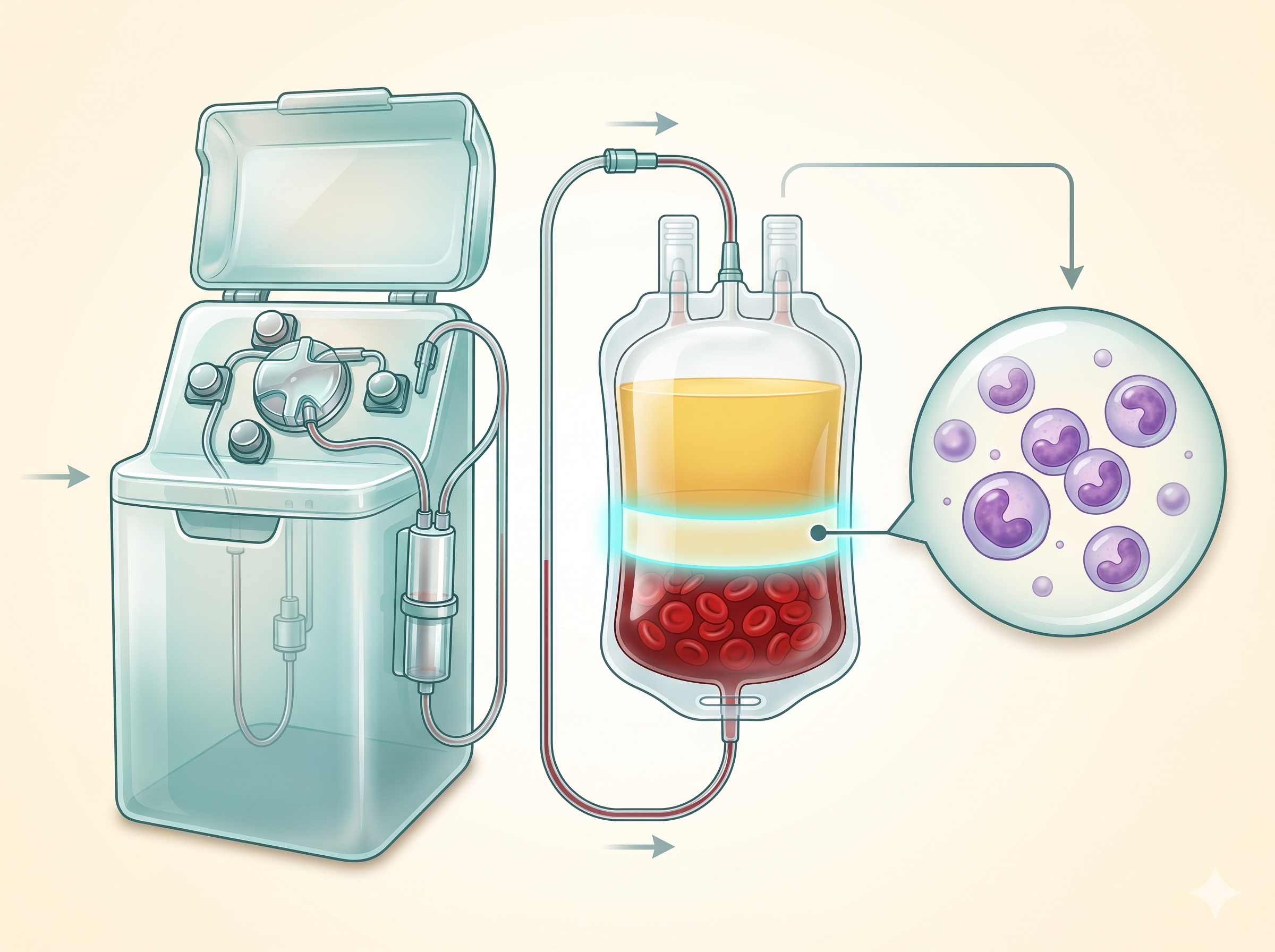
Apheresis & Monocyte Isolation

Purification of the starting cells

Leukapheresis collects peripheral blood mononuclear cells (PBMCs) from the patient. Monocytes are isolated via plastic adherence, magnetic bead selection (CD14+), or elutriation — these monocytes are the raw material of DC differentiation. A typical apheresis yields 5-10×10⁹ PBMCs.

CD14+ monocyte purity is typically targeted at >95%
Day 2-5

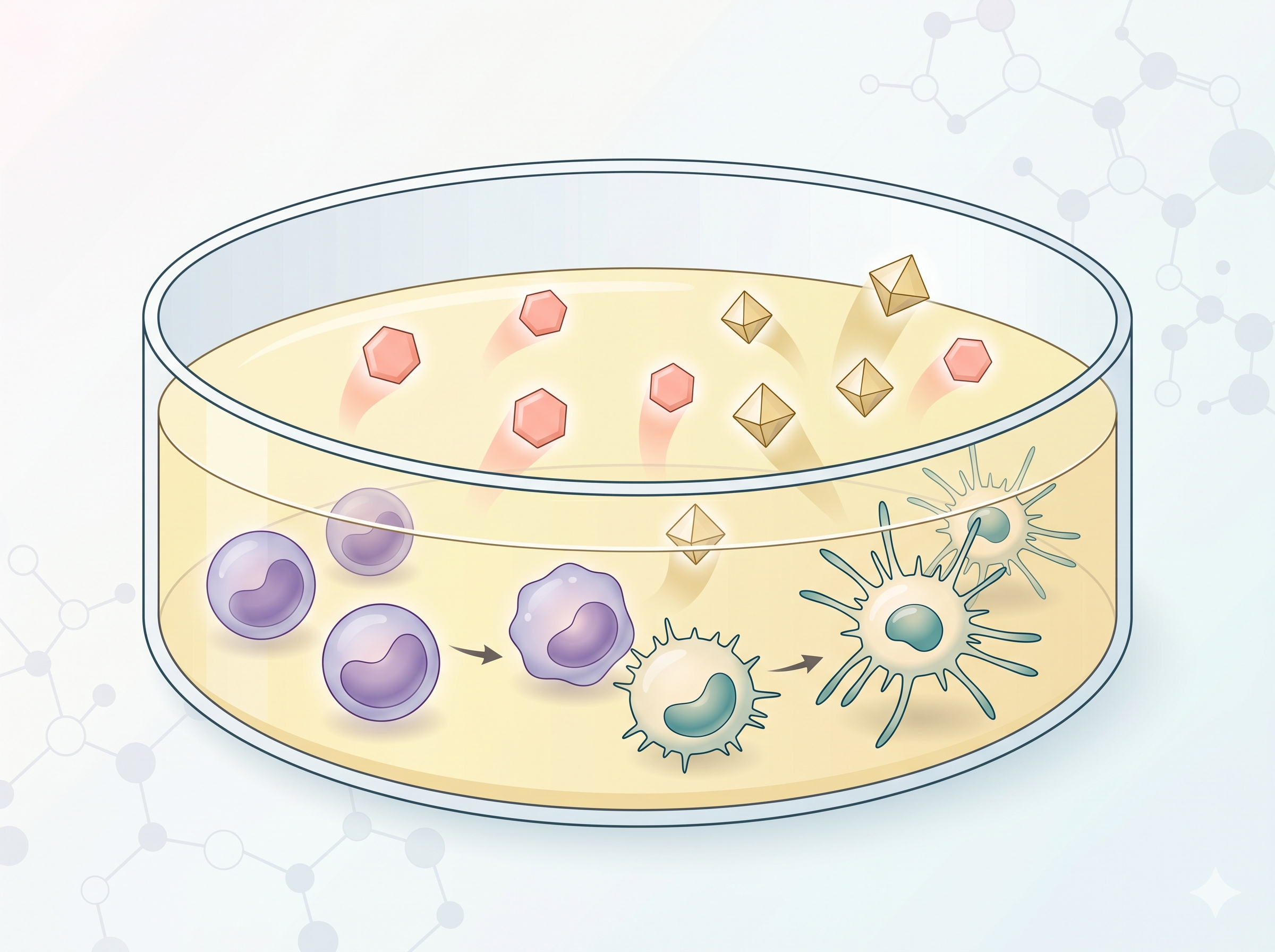
DC Differentiation

Transformation in IL-4 + GM-CSF cocktail

Monocytes are cultured for 5 days in medium containing GM-CSF (granulocyte-macrophage colony-stimulating factor) and IL-4. During this time the cells morphologically transform into "star-shaped" immature DCs: CD14 is lost and CD11c, MHC-II, and the mannose receptor appear on the surface. The cell is now ready to capture antigen.

iDC phenotype: CD14− / CD11c+ / HLA-DRmid
Day 5-7

Antigen Loading & Maturation

Tumor antigen + maturation cocktail

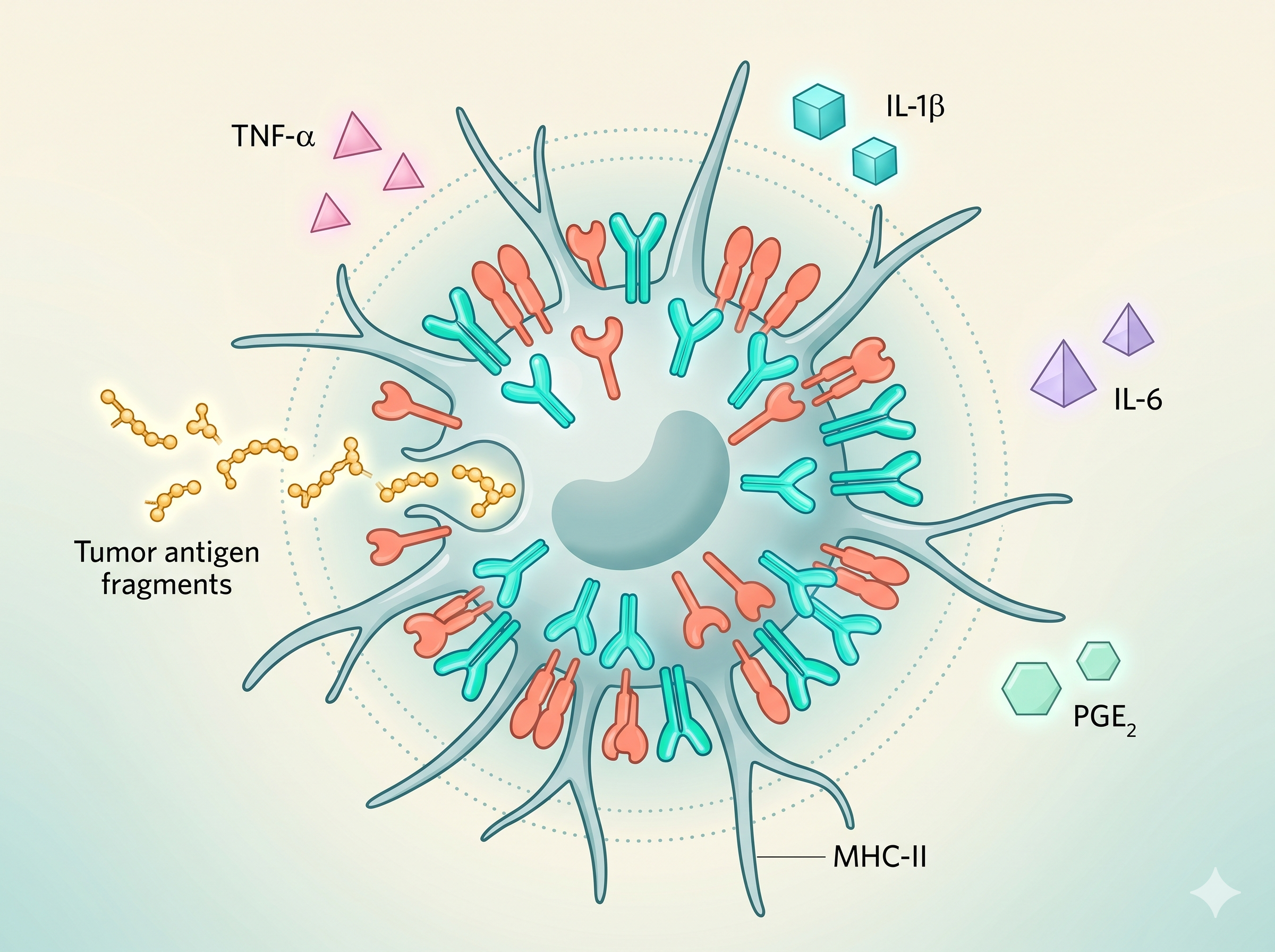
Patient-specific tumor antigen is loaded onto immature DCs (lysate, peptide, mRNA electroporation, or viral vector). A classic maturation cocktail (TNF-α + IL-1β + IL-6 + PGE₂) is then added to fully mature the DCs: CD80/86, CD83, and CCR7 reach maximum surface expression. After quality control, the product is administered intradermally / subcutaneously / intranodally.

mDC phenotype: CD83+ / CD80++ / CD86++ / CCR7+
Apheresis and monocyte isolation — initial PBMC fraction DC differentiation with GM-CSF + IL-4 — star-shaped immature DC Antigen loading and maturation — personalized DC vaccine
Apheresis Device
PBMC Fraction
Plasma + buffy coat
Monocyte Close-up
CD14+ raw material
GM-CSF + IL-4
Differentiation cytokines
Starting Monocytes
CD14+ PBMC
Maturing DC
Star morphology
CLINICAL DATA

DC Cell Therapy by the Numbers

DC-based cancer vaccines have shown meaningful survival benefits in hundreds of clinical trials since the FDA approval (Sipuleucel-T, 2010).

FDA Approval Sipuleucel-T — the first DC-based cancer vaccine

Sipuleucel-T (commercial name Provenge®) is a cancer vaccine prepared from the patient's own dendritic cells. The U.S. FDA approved it in 2010 for hormone-resistant metastatic prostate cancer (mCRPC).

Phase 3 IMPACT trial — 512 patients, 2:1 randomization:

• Median survival: vaccine arm 25.8 months, control 21.7 months4.1-month extension (Hazard Ratio 0.78; 95% confidence interval: 0.61–0.98; P=0.03)
• 36-month survival rate: 31.7% vs 23.0%, favoring vaccine

Bottom line: Sipuleucel-T is the first FDA-approved cellular cancer vaccine in history. This trial proved that dendritic cell therapy can extend life in real patients — a clinical milestone for the field.

Kantoff et al., N Engl J Med, 2010; 363:411-422
Clinical Trials Active DC-based research worldwide

The U.S. registry of all clinical research, ClinicalTrials.gov, lists 300+ DC-based cancer vaccine trials. Most studied cancer types:

• Brain cancer (glioblastoma)
• Skin cancer (melanoma)
• Prostate cancer
• Pancreatic cancer

Current trend: DC vaccines loaded with patient-specific tumor mutations (neoantigens) combined with drugs that "release the brakes" on the immune system (checkpoint inhibitors).

Bottom line: As of 2025, DC vaccines have demonstrated both safety and efficacy in brain tumors, skin cancer, and lung cancer — evidence that personalized cancer vaccination is a maturing field.

Wang et al., Cancer Biol Med, 2025ClinicalTrials.gov
Median Survival DCVax-L + temozolomide (MGMT-methylated subgroup)

Newly diagnosed brain cancer (glioblastoma) patients were tested with the DC vaccine DCVax-L (prepared from the patient's own tumor tissue) added to standard of care.

In the patient subgroup with the MGMT gene "silenced" — about the better-prognosis 40% of glioblastoma cases:

• Median survival: vaccine group 30.2 months, control 21.3 months (Hazard Ratio 0.74; P=0.027 — statistically significant)

Across the full patient population:

• 5-year survival: 13.0% vs 5.7% favoring vaccine
• 4-year survival: 15.7% vs 9.9% favoring vaccine

Bottom line: This is the first Phase 3-level evidence that DC vaccines extend life in glioblastoma — one of the most aggressive brain tumors. While standard chemotherapy alone tops out at 21 months, adding the vaccine can take it past 30 months.

Liau et al., JAMA Oncol, 2023; 9(1):112-121
Signals Concurrent information DC delivers to a T cell

Dendritic cells act as "teachers" of T cells through the foundational 3-signal model of immunology:

Target information: the DC presents the tumor antigen (MHC molecule + peptide → T cell receptor) — "will you recognize this tumor?"
Activation confirmation: costimulator molecules (CD80/86 ↔ CD28) — "fire away, don't stand down"
Direction signal: the cytokine IL-12 — "go cytotoxic killer, not antibody-helper"

Bottom line: When all three signals fire together, tumor-specific killer T cells and long-lived memory responses are formed. This is the molecular foundation of personalized cancer vaccines; DC therapy is engineered to deliver these three signals in the correct order.

Banchereau & Steinman, Nature, 1998; 392:245-252

Click cards for details

SAFETY PROFILE

Safety Advantages of DC Vaccines

DC vaccines have one of the safest profiles among cancer immunotherapies. Their autologous nature (made from the patient's own cells) and controlled immune stimulation are the foundation of this safety.

Autologous Production

Manufactured from the patient's own monocytes — no rejection or GvHD risk. Personally matched safety profile.

Low CRS Risk

Controlled antigen presentation makes cytokine release syndrome (CRS) extremely rare. Unlike CAR-T, no risk of acute physical reactions.

No Neurotoxicity

Clinical trials have not reported central nervous system side effects with DC vaccines. Safe to administer throughout the treatment course.

Mild Side Effects

The most commonly reported side effects are injection-site reactions and mild flu-like symptoms — all transient.

cGMP Manufacturing

Personalized product prepared in closed manufacturing systems under international cGMP standards. Sterility and potency are verified for every dose.

Targeted Response

T-cell training is directed against tumor-specific antigens — healthy tissue is not targeted, minimizing off-target toxicity.

Long-Lived Memory

DC vaccines drive the formation of anti-tumor memory T cells, offering the potential for long-term protection after treatment.

Kantoff et al., NEJM 2010Liau et al., JAMA Oncol 2023Pinho et al., Front Immunol 2023mRNA vs DC vaccines meta-analysis (60 trials, n=1777), 2024

DC VACCINE STRATEGIES

6 Different Ways to Load Antigen

There are several routes to "teach" a dendritic cell about the patient's tumor antigen. Each strategy carries distinct advantages in specificity, polyvalence, and personalization.

Dendritic cell antigen loading strategies diagram
Whole tumor lysate-loaded DC
01

Whole Tumor Lysate

Patient tumor tissue is fragmented and loaded onto DCs. Polyvalent approach — covers both known and unknown antigens simultaneously.

Polyvalent
Peptide-pulsed DC
02

Peptide-Pulsed DC

Defined tumor antigen peptides such as HER2, MUC1, NY-ESO-1, WT1 are loaded onto DCs. Defined antigen with standardized manufacturing advantage.

Defined Antigen
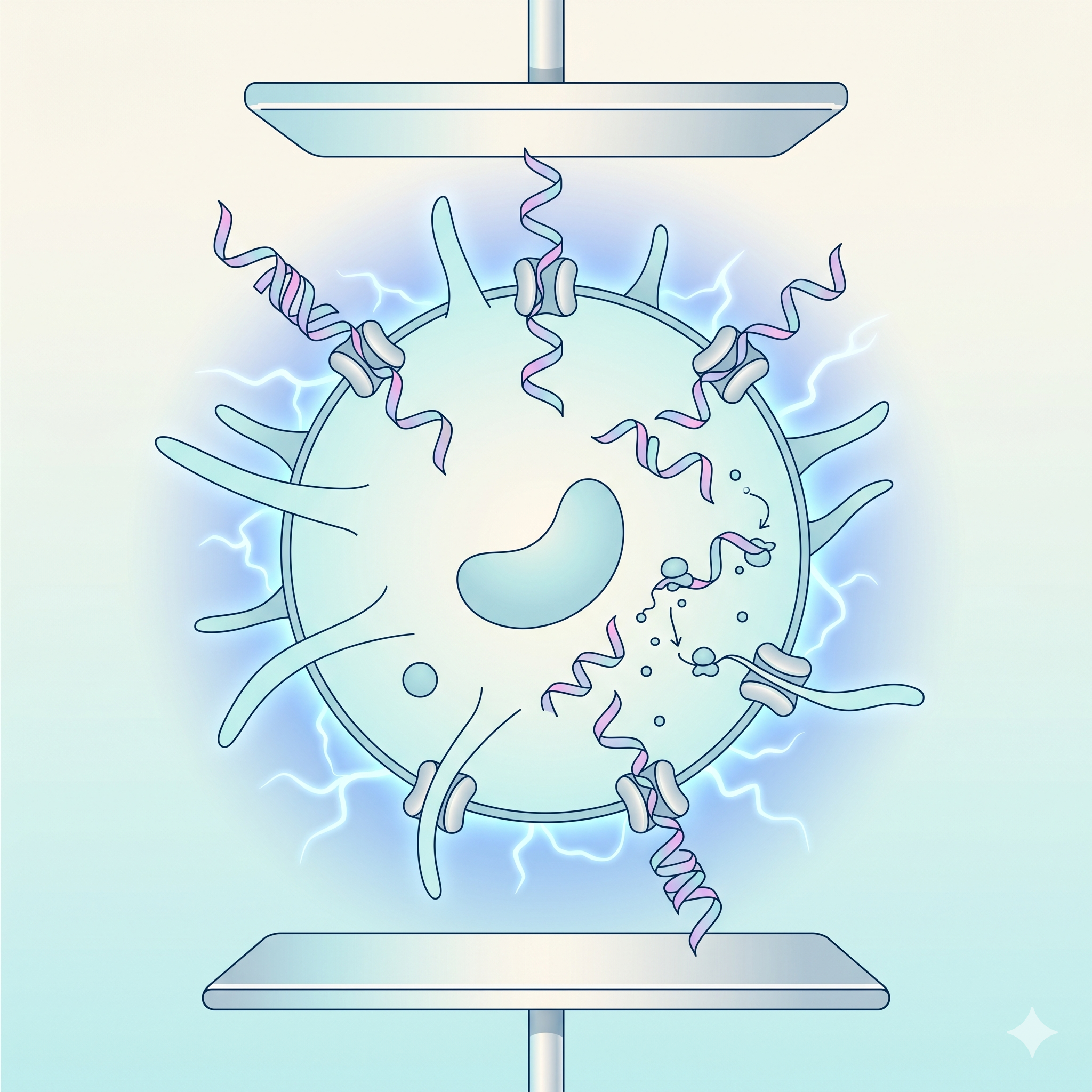
mRNA electroporated DC
03

mRNA Electroporation

mRNA encoding the tumor antigen is delivered to the DC cytoplasm via electric pulse. Endogenous presentation, cross- presentation, and rapid personalization.

Rapid Personalization
Tumor-DC fusion hybrid cells
04

Tumor-DC Fusion

Tumor cell and DC are merged via polyethylene glycol or electrofusion to create a hybrid cell. The full tumor antigen repertoire combined with strong costimulation.

Hybrid Cell
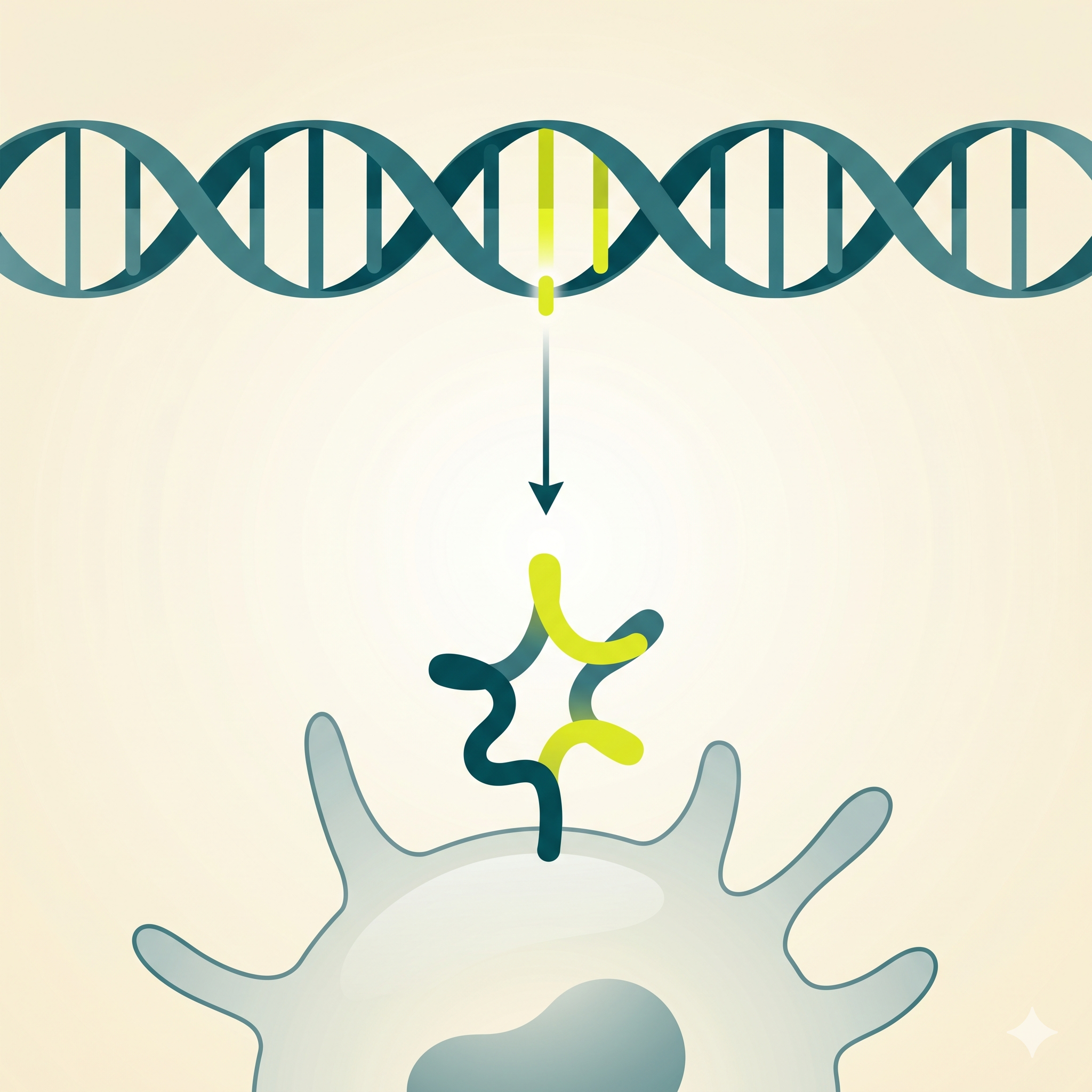
Neoantigen-loaded personalized DC
05

Neoantigen-Loaded DC

Neoantigens derived from the patient's tumor somatic mutations are identified via WES + prediction algorithms. The most personal, most targeted approach.

Neoantigen
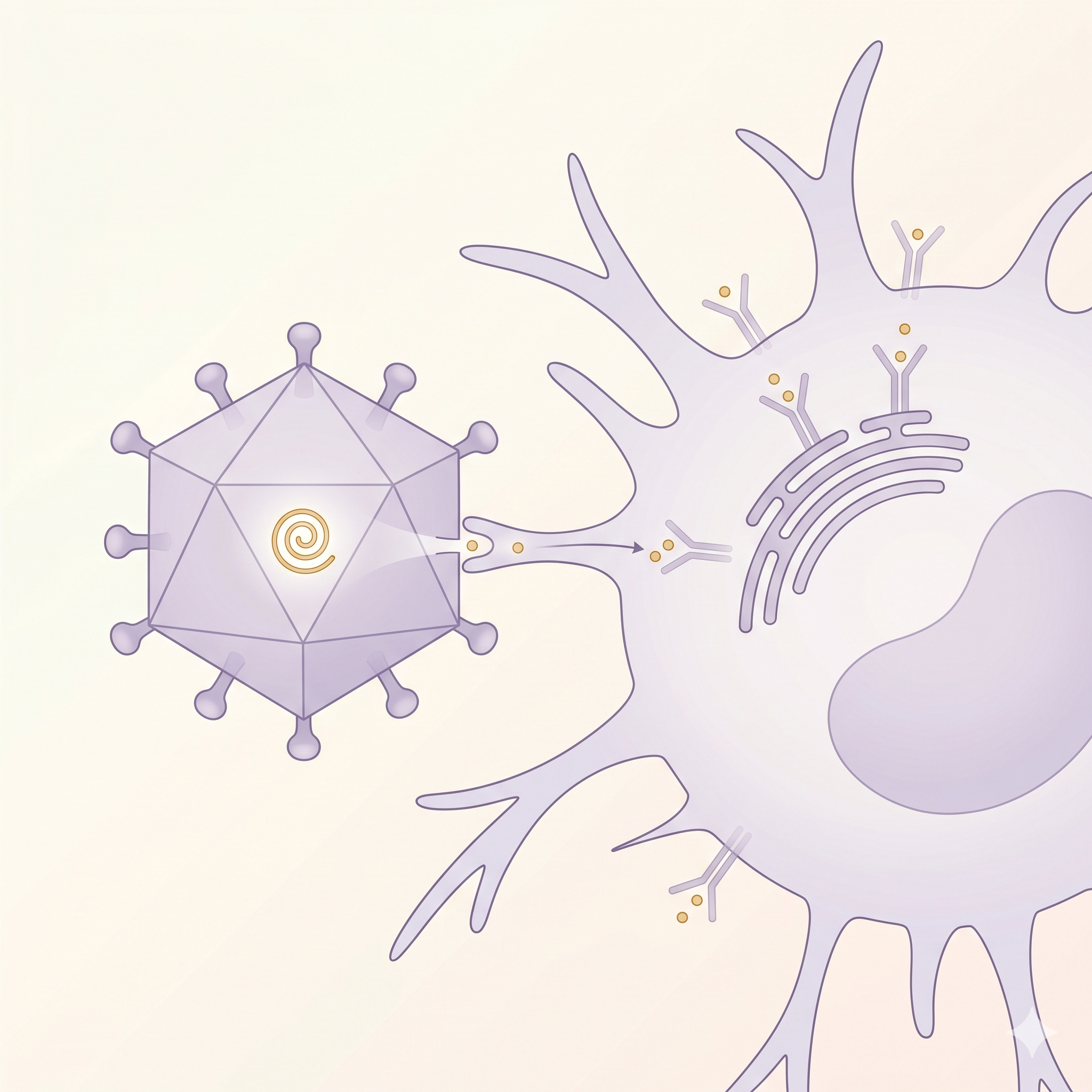
Viral vector + DC system
06

Viral Vector + DC

Antigen is delivered to DCs via vectors such as adenovirus, lentivirus, or MVA. High transduction efficiency and long-lasting antigen expression — particularly ideal for viral antigens.

Viral Vector
COMBINATION THERAPY

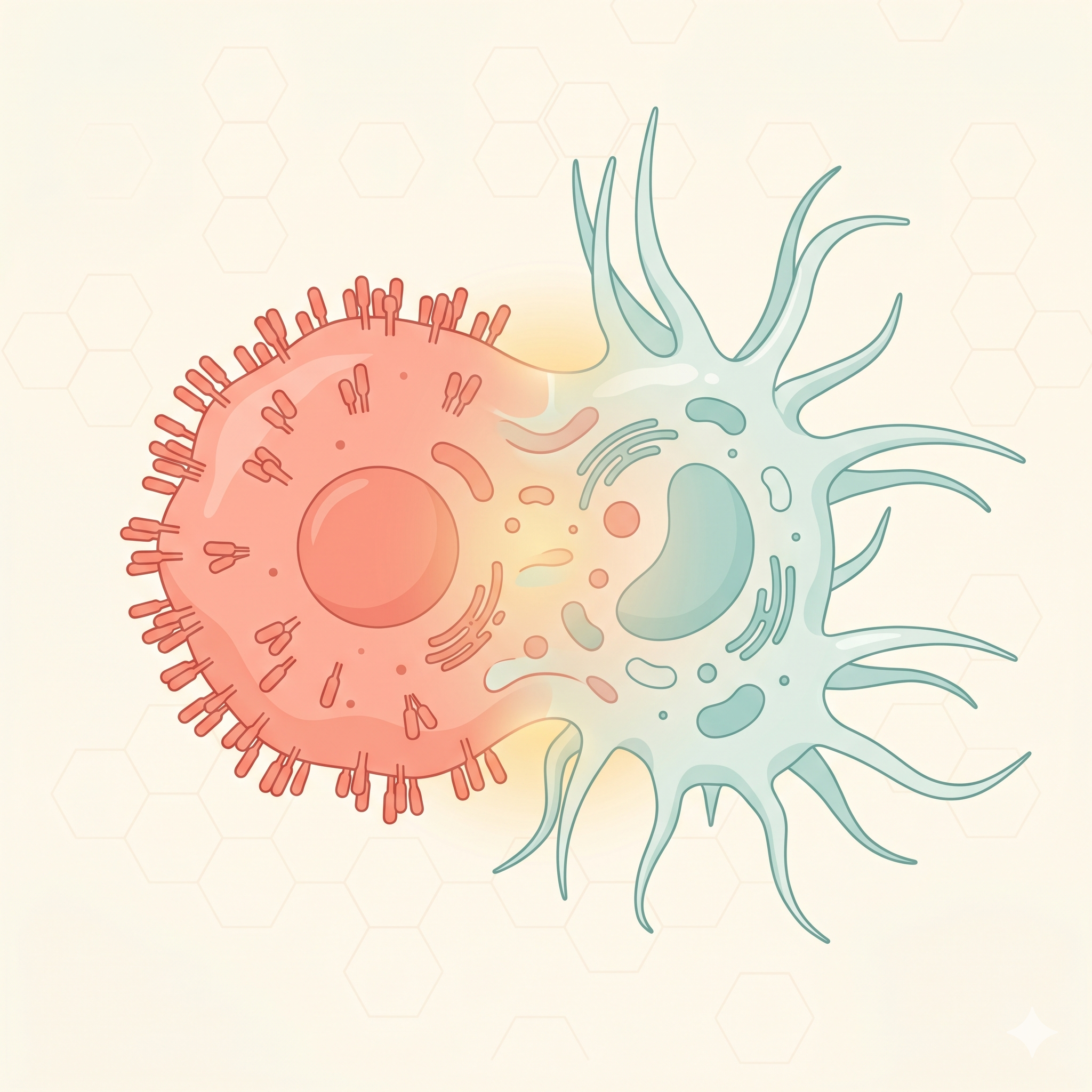
DC-CIK: Antigen Presentation & Cytotoxicity Synergy

The dendritic cell, in its teacher role, presents tumor antigens to CIK effector cells. This bidirectional interaction creates an anti-tumor response stronger than either modality could achieve alone.

Antigen presentation and cytotoxicity synergy between dendritic cell and CIK cell

Dendritic Cell (DC)

Captures tumor-associated antigens, processes them, and prepares them for presentation via MHC molecules.

Antigen Presentation

The DC presents processed tumor antigens to CIK cells. The bidirectional interaction increases IL-12 release and amplifies cytotoxicity.

Enhanced CIK Response

CIK cells, now armed with antigen information, deliver targeted cytotoxicity through both NKG2D- and TCR-mediated pathways.

Clinical Outcomes: DC-CIK Combination

42% 5-Year Disease-Free Survival
(DC-CIK + chemotherapy arm)
36% Lower Mortality Risk
(vs standard therapy)
1,443 Patients Tested
(13 randomized controlled trials)

Lin et al., Immunol Lett 2017Jiang et al., J Transl Med 2024

Genkord is one of the rare facilities producing both DC and CIK cells in its own cGMP-certified laboratory.

R&D & MANUFACTURING

Why Genkord?

We prepare dendritic cell vaccines individually for each patient in our own cGMP-certified laboratory. Local production, global quality.

0
Founded
0
Active Biological Products
0
Cell Biology Experience
0
Active Lab Personnel
GMP Certified

Patient-Specific Vaccine Production

End-to-end personalized production starting from the patient's own monocytes. The antigen-loading strategy is optimized per patient.

End-to-End R&D Capability

From apheresis to maturation, from quality control to clinical application — every step of DC vaccine production is managed under one roof.

cGMP Standards

All cGMP requirements for cellular products are met: closed-system manufacturing, sterility testing, potency calibration.

Triple-Approved Portfolio

NK, CIK, and Dendritic Cell — we are one of the rare facilities in Türkiye producing this triple cellular immunotherapy spectrum under one roof.

FREQUENTLY ASKED QUESTIONS

Common Questions

Who is a candidate for DC vaccine therapy?

DC vaccines are being studied in a wide range of indications, particularly glioblastoma, prostate cancer, melanoma, lung, colorectal, and pancreatic cancer. Best results have been observed in patients with low tumor burden (minimal residual disease) and as an adjuvant after standard treatments. The patient's immune system is expected to be relatively intact.

How is the DC vaccine produced?

The process begins with apheresis (leukapheresis) to collect peripheral blood. CD14+ monocytes are isolated and cultured for 5 days in GM-CSF + IL-4 to differentiate into immature DCs. The patient's tumor antigen is then loaded (lysate, peptide, mRNA, etc.), and the cells are matured for another 2 days with the maturation cocktail (TNF-α + IL-1β + IL-6 + PGE₂). The vaccine is aliquoted and frozen at the end of ~7 days.

How many doses of DC vaccine are administered?

It depends on the clinical protocol, but a typical regimen is 3-6 priming doses (weekly or biweekly) followed by maintenance doses (monthly or every 3 months). Some studies administer 10-12 doses in total. The route can be intradermal, subcutaneous, or intranodal.

What are the side effects?

The safety profile of DC vaccines is significantly better than chemotherapy and CAR-T. The most common side effects are:

• Transient redness and tenderness at the injection site
• Mild fever or flu-like symptoms (typically 24-48 hours)
• Fatigue

Cytokine release syndrome (CRS) and neurotoxicity are very rare.

Can the DC vaccine be combined with other immunotherapies?

Yes — DC vaccines are being combined with CIK cells (DC-CIK combination — see the synergy section above), checkpoint inhibitors (anti-PD-1, anti-CTLA-4), and chemotherapy. Combination overcomes immune suppression mechanisms and converts the priming effect of DCs into a more powerful effector response.

Is DC vaccine in clinical use, or still experimental?

The first DC-based cancer vaccine, Sipuleucel-T (Provenge®), was approved by the FDA in 2010 for prostate cancer — a proof-of-concept milestone for the field. In other indications, DC vaccines are actively studied in Phase II and Phase III trials, with some receiving conditional/restricted approvals from health authorities. Genkord aims to deliver personalized DC vaccines at clinical-grade standards.

Let's Work Together
on DC Immunotherapy

Reach out to our team for information on dendritic cell vaccines, R&D collaborations, or clinical study partnerships.